
Transcoders 101: What You Need to Know for Your OTT Platform


As the demand for Over-the-Top (OTT) streaming services continues to grow, understanding the role of transcoders becomes crucial for any platform operator. Transcoders are the backbone of delivering high-quality streaming content to a diverse range of devices and network conditions.

What are Transcoders?
Transcoders are specialized software or hardware systems that convert media files from one format to another. This process is essential for ensuring that video and audio content can be streamed smoothly across various devices and platforms. By converting files into multiple formats, transcoders help maintain the quality and integrity of the content.
Why Transcoding is Essential
The primary purpose of transcoding is to adapt content to different screen sizes, resolutions, and bandwidth capacities. Without transcoding, streaming a high-definition video on a low-bandwidth connection would result in buffering and poor user experience. Transcoders enable dynamic bitrate adjustment, ensuring seamless playback.

How Transcoding Works
The transcoding process involves several key steps:
- Decoding: The original media file is decoded into a raw format.
- Processing: The raw file is processed to adjust parameters like bitrate and resolution.
- Encoding: The processed file is re-encoded into the desired format suitable for streaming.
Types of Transcoders
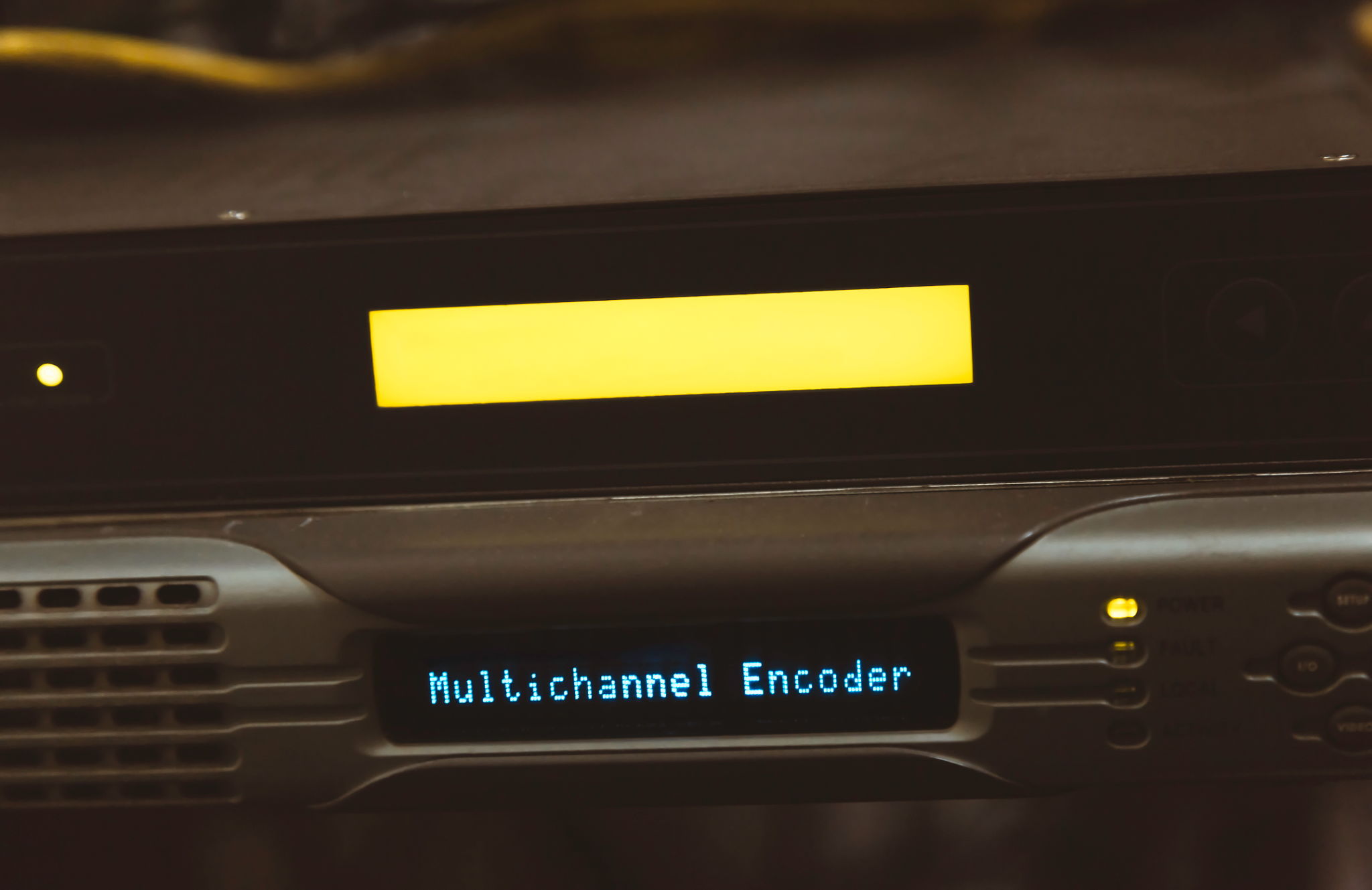
There are primarily two types of transcoders: software-based and hardware-based. Software transcoders offer flexibility and are ideal for smaller operations, while hardware transcoders provide faster processing speeds, making them suitable for larger scale operations. Understanding the differences can help you choose the right solution for your OTT platform.
Challenges in Transcoding
Despite its benefits, transcoding presents several challenges. The process can be computationally intensive, requiring significant processing power and resources. Additionally, maintaining quality while reducing file size is an ongoing challenge, as is managing the latency involved in real-time transcoding.
Choosing the Right Transcoder
Selecting the appropriate transcoder is crucial for the success of your OTT platform. Considerations include the scale of your operation, the range of devices you need to support, and your budget constraints. Evaluating these factors can guide you in choosing a transcoder that balances quality, speed, and cost-effectiveness.
Future of Transcoding in OTT
As technology evolves, so do transcoding techniques. Innovations such as AI-driven transcoding and cloud-based solutions are paving the way for more efficient and scalable operations. Staying informed about these advancements can help you keep your OTT platform competitive in an ever-changing market.
In conclusion, mastering the intricacies of transcoders is vital for delivering an exceptional user experience on your OTT platform. By understanding their role and functions, you can make informed decisions that enhance the quality and reliability of your streaming service.