
The Ultimate Guide to Live Streaming for Media Outlets


Introduction to Live Streaming
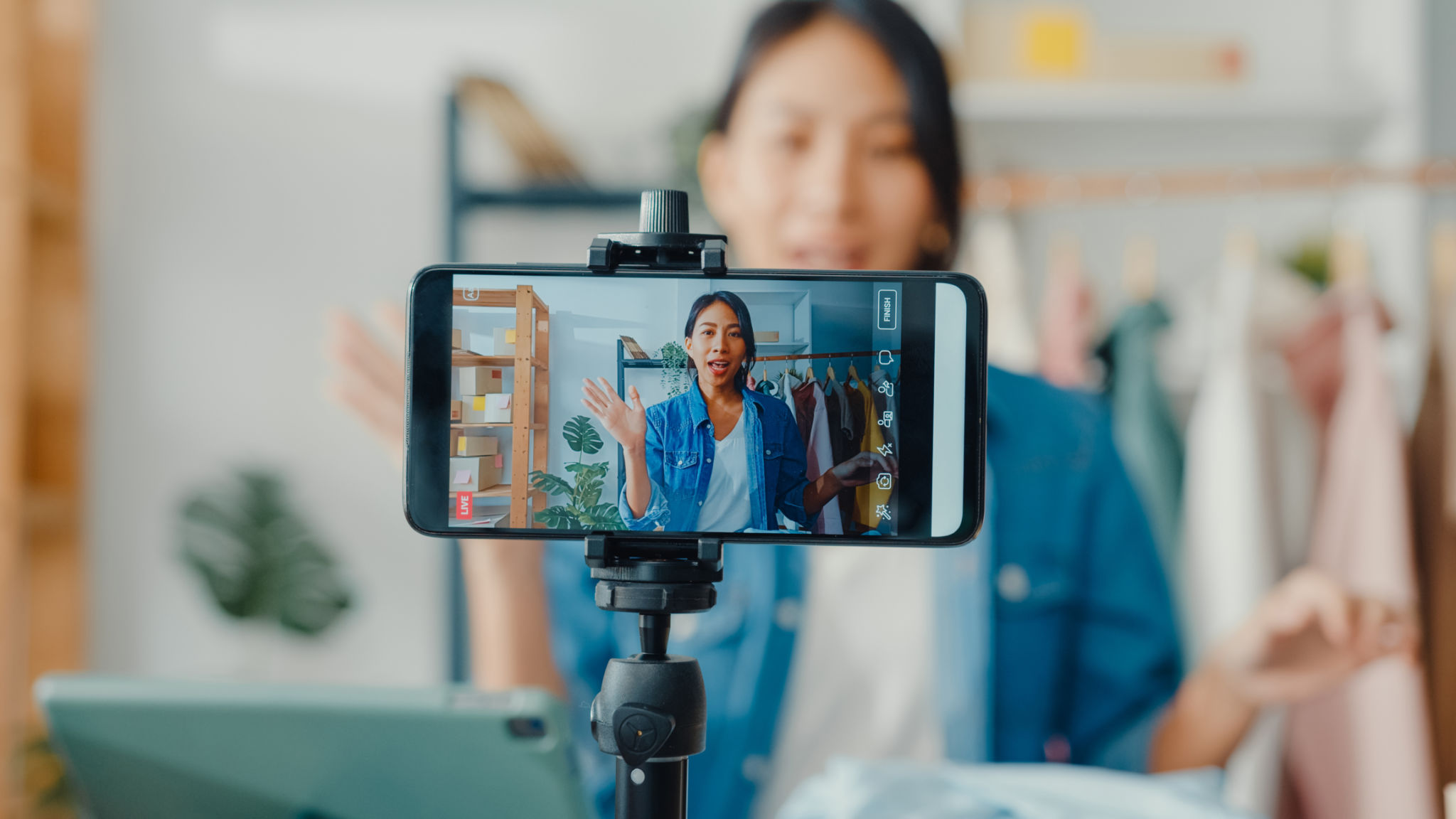
In today's digital age, live streaming has emerged as a vital tool for media outlets looking to reach audiences instantly and interactively. By broadcasting live, media companies can engage viewers in real-time, offering a dynamic and immersive experience that pre-recorded content simply can't match.

Why Live Streaming Matters
The significance of live streaming lies in its ability to foster immediate viewer engagement. With the rise of social media platforms, audiences expect timely updates and want to participate in ongoing conversations. Live streaming provides this opportunity, allowing media outlets to deliver news as it happens, engage with viewers through live comments, and enhance their brand's credibility and reach.
Engagement and Interaction
One of the biggest advantages of live streaming is the ability to interact with viewers in real-time. This interaction can take many forms, such as answering questions, responding to comments, or conducting live polls. This level of engagement helps build a community around your brand and keeps viewers coming back for more.

Technical Requirements for Live Streaming
Before diving into live streaming, media outlets need to ensure they have the right technical setup. Here's a basic checklist:
- High-quality camera for clear visuals
- Reliable microphone for crisp audio
- Stable internet connection to prevent interruptions
- Streaming software to manage your broadcast
Choosing the Right Platform
Selecting the appropriate platform is crucial for reaching your target audience. Popular options include YouTube Live, Facebook Live, and Twitch. Each platform offers unique features and caters to different demographics, so it's essential to choose one that aligns with your goals.

Content Planning and Execution
Effective live streaming requires meticulous planning. Start by defining your objectives and understanding your audience's preferences. Create a content calendar to schedule your broadcasts and ensure consistency. During the stream, maintain a structured format to keep viewers engaged and informed.
Promoting Your Live Stream
Promotion is key to maximizing viewership. Utilize social media, email newsletters, and your website to announce upcoming streams. Engaging graphics and teasers can generate interest and attract a larger audience. Remember, the more you promote, the greater your reach.
Analyzing and Improving Your Streams
After your live stream concludes, it's essential to analyze its performance. Metrics such as viewer count, engagement rates, and audience feedback can provide valuable insights. Use this data to refine your strategy and improve future broadcasts.
Embracing Continuous Improvement
Live streaming is an evolving field, and staying updated with the latest trends and technologies is crucial. Attend webinars, follow industry leaders, and experiment with new formats to ensure your live streams remain fresh and engaging.
Conclusion
With the right approach, live streaming can be a powerful tool for media outlets to connect with their audience. By focusing on engagement, technical quality, and continuous improvement, you can create compelling live content that resonates with viewers and strengthens your brand's presence in the digital landscape.